In this case study, we describe how we handled the translation of batch records for a long-standing client in the pharmaceutical sector: approximately 800,000 words translated in two months, starting from paper documents and scanned files with handwritten sections, while handling specialized terminology and high volumes. We outline how we structured deliveries to meet tight deadlines and ensure quality and terminological consistency throughout the project.
The client
The client is a multinational pharmaceutical company with offices in several countries, including Italy, France, Spain, Germany, the United States, Canada, and China. This is a long-standing client with whom we have been working for many years, and whose requirements for accuracy, terminological consistency, and project turnaround we know well.
In preparation for an inspection by the U.S. Food and Drug Administration (FDA), the company needed to translate numerous batch records from Italian into English. These are legally required documents that certify the manufacturing history of each drug batch, track every stage of the production process, and represent a critical component of the documentation required during regulatory inspections.
In this context, our mandate was to ensure terminologically accurate translations, delivered within timelines compatible with inspection preparation.
The challenge
The project required a high level of terminological accuracy and careful timeline management to ensure that all documents were ready ahead of the inspection.
From an operational standpoint, the first complexity concerned the document format. The batch records provided by the client were scanned copies of paper documents, often filled out manually during the various stages of production.
Note on batch records:
Batch records are production documents that record every step in the manufacturing of a drug batch. They include operating instructions, records of activities performed, and quality control checks, often completed directly by operators during the production process.
Another critical issue involved estimating the overall volume of the project. Since the files were scans, word counts were not immediately available. It was therefore necessary to involve multiple DTP teams to process the files and obtain a reliable estimate, which was essential for providing the client with an accurate quote.
The project required managing approximately 800,000 words in two months, coordinating DTP activities, translators, proofreaders, and reviewers. There were three key priorities:
- Accuracy in pharmaceutical terminology
- Consistency with the client’s existing terminology
- Compliance with particularly tight deadlines
The solution
The project was managed through a structured workflow integrating graphic processing, language technologies, and operational coordination.
Conversion of scans using OCR
The DTP team processed the documents using OCR (Optical Character Recognition) technology to convert scanned files into editable formats.
The files were then manually reviewed and corrected to ensure alignment with the original content, especially in handwritten and sometimes hard-to-read sections.
Use of dedicated translation memories
To ensure terminological consistency, the translation team worked with dedicated translation memories built from previously translated documentation for the client.
Terminology alignment with the client
Direct collaboration with the client made it possible to clearly define the terminology to be used in the documents, reducing ambiguity and streamlining the review process.
Batch-based delivery structure
Given the large volume of content and the tight deadlines, it was necessary to establish a staggered delivery schedule in agreement with the client. This approach enabled the client’s internal teams to begin reviewing completed documents in parallel with ongoing translation.
Coordination across document pre-processing, translation, and delivery phases was maintained continuously, ensuring that every milestone was met on time.
The results
The project was completed successfully, achieving all objectives:
- Translation of approximately 800,000 words in two months
- Full compliance with timelines required for FDA inspection preparation
- Reduced internal review time thanks to upfront terminological alignment
The client particularly appreciated our speed in project management and the team’s ability to meet deadlines despite operational complexity.
What this project demonstrates
Translating regulatory documentation in the pharmaceutical sector requires more than linguistic expertise alone. Complex document formats, high content volumes, and deadlines tied to inspection processes require a structured project management approach.
In this case, we coordinated OCR conversion, DTP, and specialized translation activities, ensuring terminological consistency and compliance with required timelines. The use of dedicated translation memories, direct collaboration with the client, and a batch-based delivery structure allowed us to maintain control over all operational variables and deliver documents ready for internal review.
Contact
Request Informations

In this case study, we describe how we supported a long-standing client in the sustainable mobility sector in the translation of its 2024 annual financial report. […]
Leggi di più
In this case study, we explain how we managed the English translation of the annual report of an Italian banking group in a context of the […]
Leggi di più
Online conference interpreting is a highly complex task that requires extensive preparation – something that many of those who benefit from this service are unaware of. As […]
Leggi di più
INTRODUCTION: An Italian multinational listed on the stock exchange — the global leader in producing closures for drink, food and pharmaceutical containers — came to us for urgent translation of […]
Leggi di più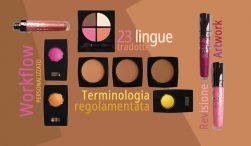
INTRODUCTION: A prestigious company Made in Italy, which has been working in the decorative cosmetics field for over 20 years, entrusted us with the multilingual translation of various […]
Leggi di più